Artificial Intelligence & Machine Learning
Models for vision, language, forecasting and anomaly detection, built with reproducible training pipelines and deployed with monitoring.
Explore AI & Machine LearningTechnology consulting, research and development
Liformatics is a technology consulting and R&D company in Punjab, India. We help CTOs, R&D heads, founders and public-sector teams test an idea, build the system and keep it secure in operation.
Services
Each practice can be engaged on its own. Many projects need more than one: a robot needs perception models and a secure update channel, and a Li-Fi network needs a security review before it carries sensitive traffic.
Models for vision, language, forecasting and anomaly detection, built with reproducible training pipelines and deployed with monitoring.
Explore AI & Machine LearningThreat modelling, security testing, secure architecture and detection engineering for IT, cloud, IoT and industrial control networks.
Explore CybersecurityPerception, localisation, planning and control software for mobile robots, manipulators and drones, tested in simulation before hardware.
Explore Robotics & Intelligent SystemsFeasibility studies, hybrid quantum-classical prototypes and post-quantum cryptography migration, with honest limits on what current hardware can do.
Explore Quantum ComputingOptical wireless links and networks for RF-restricted and security-sensitive indoor spaces, from link budget to installed access points.
Explore Li-Fi SystemsDescribe it in a few lines. We will tell you which practice applies, or that the problem is outside what we do.
Contact the teamHow we work
Every stage ends with a written output that you review. You can stop, change direction or continue with a clear view of cost and risk.
We define the problem, constraints, data, users and success criteria, and write them down in a short scope document.
We review published methods, set a baseline and test candidate approaches on your data or a simulator to find out what works.
We engineer the chosen approach into tested, reviewed, documented software or hardware, with security controls built in.
We release into your environment, whether cloud, on-premises or edge device, with monitoring, rollback and an operations runbook.
We fix defects, retrain models, patch dependencies and plan changes as your requirements move.
Industries served
The examples below are typical applications of our services in each sector.
Visual inspection, predictive maintenance, robot cells, OT network security and optical links on RF-noisy shop floors.
Medical image and signal analysis, protection of patient data, and Li-Fi connectivity in rooms where radio emissions are restricted.
Crop disease detection from field and drone imagery, yield and irrigation models, and autonomous field platforms.
Network anomaly detection, post-quantum cryptography planning and hybrid Li-Fi and RF indoor coverage.
Security assessments, data analytics, and technical evaluation of emerging technology for procurement decisions.
Research software engineering, experiment pipelines, prototype hardware and work packages within funded projects.
Why Liformatics
These are descriptions of method. You can check each of them against the documents and code we hand over.
Each engagement starts with a written problem statement, a review of published methods and a baseline. Experiments run against that baseline with fixed data splits, recorded configurations and versioned code, so a result can be reproduced. A negative result is reported as a negative result.
Threat modelling is part of architecture work. We mark trust boundaries, keep secrets out of source code, give every service account the least privilege it needs, pin and scan dependencies, and write abuse cases next to functional tests. Security findings are tracked in the same backlog as features.
One team carries the work from discovery through prototype, build, deployment and support, so decisions made early are not lost at a handover. You receive source code, infrastructure definitions, test suites, a runbook and a handover session, so that your own staff can operate and extend the system.
Insights
Each article takes one question that buyers ask us and answers it with the limits included.
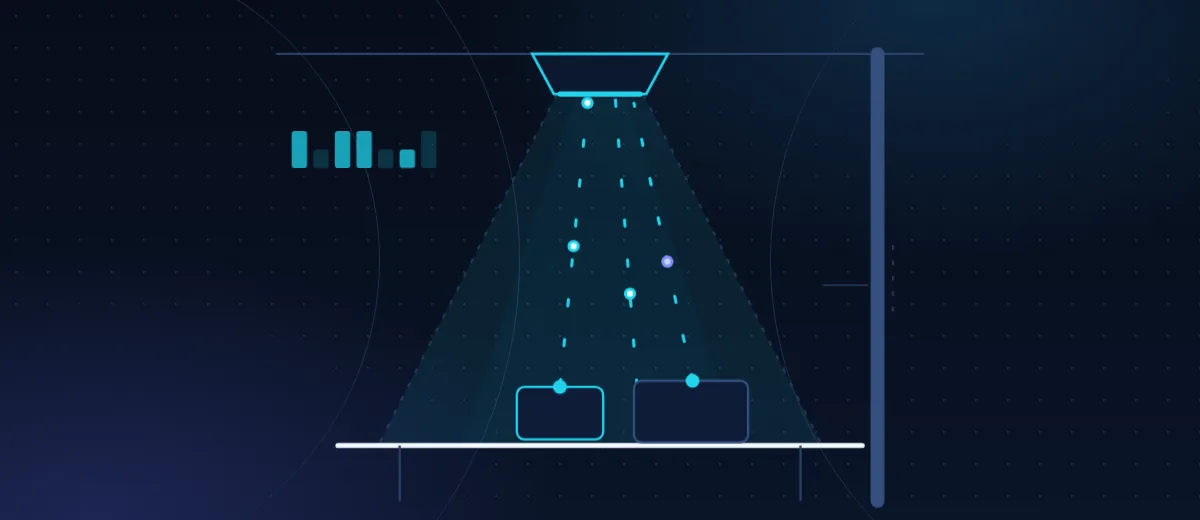
Li-Fi keeps a network signal inside a room, which Wi-Fi cannot do. It also needs line of sight and adapters. This comparison shows where each belongs.
Read the article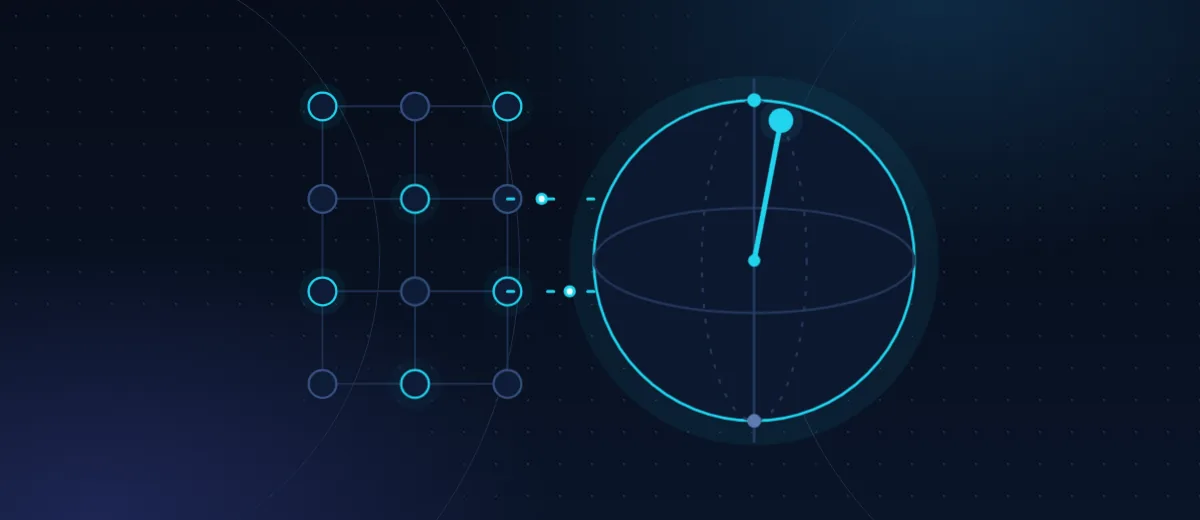
Most commercial workloads gain nothing from quantum hardware yet. A few activities are worth doing now, and one of them, cryptographic migration, is urgent.
Read the article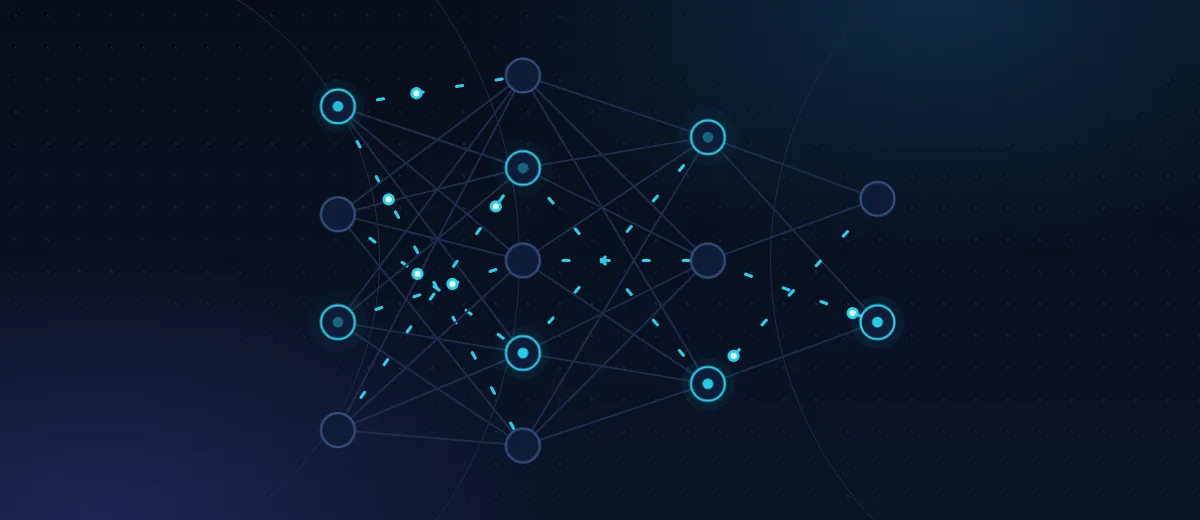
A deployed model adds attack surface that ordinary application security does not cover. This guide maps the threats to controls at each stage of the pipeline.
Read the articleFAQ
If yours is not here, write to info@liformatics.com. You can also read how we work or see careers.
Liformatics is a technology consulting, research and development company. We work in five areas: artificial intelligence and machine learning, cybersecurity, autonomous robotics and intelligent systems, quantum computing, and Li-Fi system design. A typical engagement covers a feasibility study, a working prototype, a production build, or support for a system that is already running.
Our office is at Vill. Taunsa, Distt. Nawanshahar, Punjab, India. Consulting, software and research work is usually handled remotely, with reviews by video call. Work that depends on hardware at your site, such as a Li-Fi installation or robot commissioning, is planned with you case by case.
With a discovery conversation. You describe the problem, the constraints and what a useful result would look like. We respond with a short written proposal that lists scope, deliverables, milestones and assumptions. Work begins after both sides agree on that document.
Yes. A proof of concept is one of our four engagement models. It has a fixed question, a fixed time box and written success criteria, so at the end you can decide on evidence whether a full build is justified.
Ownership is agreed in writing before work starts and recorded in the contract. We raise it during discovery, together with the licences of any open-source components we plan to use, so there is no ambiguity about what you receive.
We can sign a non-disclosure agreement before technical discussions. We ask only for the data a task needs, prefer anonymised or synthetic samples during early work, and agree with you where data is stored, who can access it and when it is deleted.
It depends on the workload. Li-Fi is a practical choice today for indoor links where radio is restricted or where confining the signal to a room matters, but it needs line of sight and does not replace Wi-Fi everywhere. Quantum computing is still early-stage for most commercial workloads; the work that pays off now is feasibility assessment, small hybrid prototypes and migration to post-quantum cryptography. We say so plainly when a classical approach is the better answer.
We quote after discovery, because cost depends on scope, data readiness and any hardware involved. Each proposal lists the deliverables, milestones and assumptions behind the figure, so you can see what changes the price.
Contact
Call, write or visit our office in Punjab, India. The first conversation is about your problem and whether we are the right team for it.